3 Nov 2026
Tracing Compliance Pathways in the Design of Interactive Bonus Features for Swedish Online Slot Experiences on Smartphones
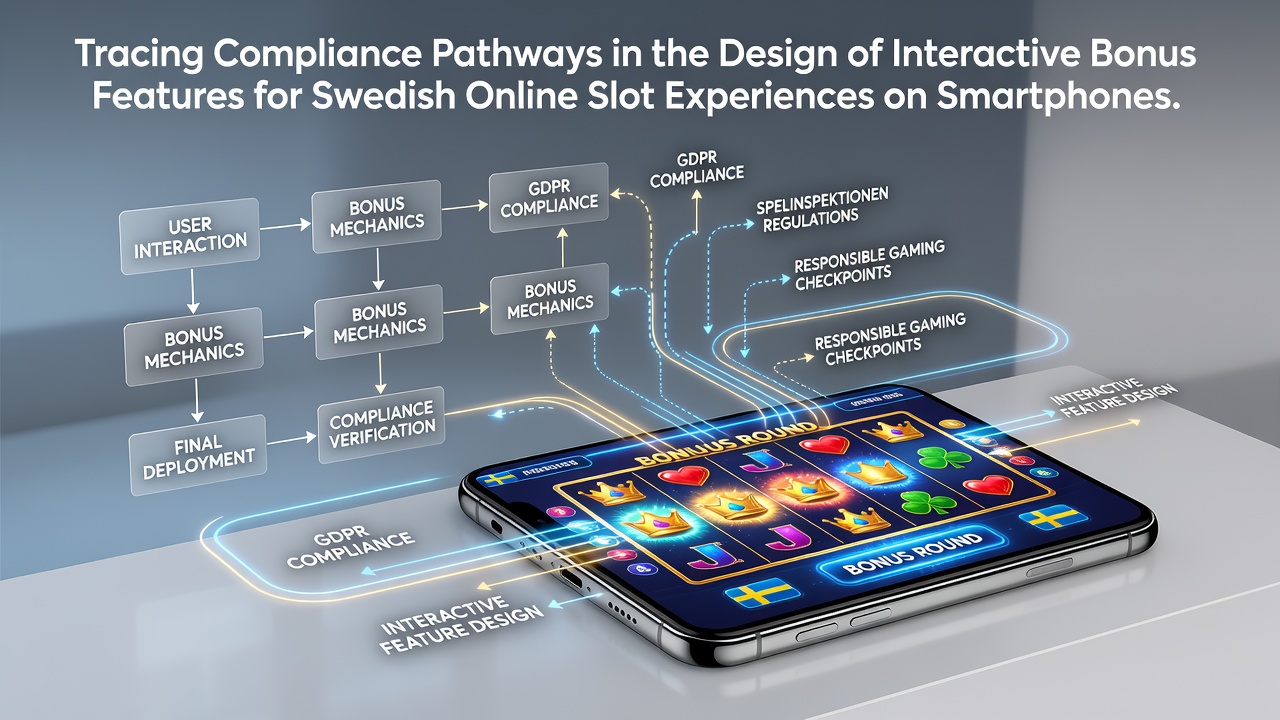
Swedish online slot experiences on smartphones require careful navigation of regulatory frameworks that govern every aspect of bonus feature design, from initial concept through deployment. Observers note that developers must map out specific compliance pathways to meet standards set by national licensing authorities while preserving the interactive elements that keep players engaged on mobile platforms.
Those who study the sector point out that interactive bonuses in slots often include features like pick-and-click mechanics, multiplier wheels, and progressive challenges that unfold across multiple spins. Each of these elements triggers a series of checks against rules on fairness, transparency, and responsible play, particularly when sessions occur on handheld devices where screen real estate and touch controls shape user interaction.
Mapping the Regulatory Landscape for Mobile Slots
Sweden's licensing system establishes clear boundaries for bonus structures, requiring that all interactive elements undergo verification for random number generation integrity and payout disclosure before they reach smartphone users. Data from regulatory filings shows operators must document how bonus triggers align with player protection protocols, including limits on wagering requirements and clear communication of terms during mobile sessions.
Researchers have documented how these pathways evolve as technology advances, especially with the rise of HTML5-based games optimized for iOS and Android. Compliance teams routinely test features across device variations to confirm consistent behavior, since a bonus animation that performs differently on one smartphone model could raise questions about equitable access.
Designing Interactive Elements Under Compliance Constraints
Developers trace compliance pathways by integrating regulatory checkpoints directly into the design workflow rather than treating them as afterthoughts. For instance, an interactive bonus round might incorporate mandatory pauses for displaying updated balance information or session timers, ensuring players receive real-time data without leaving the game interface.
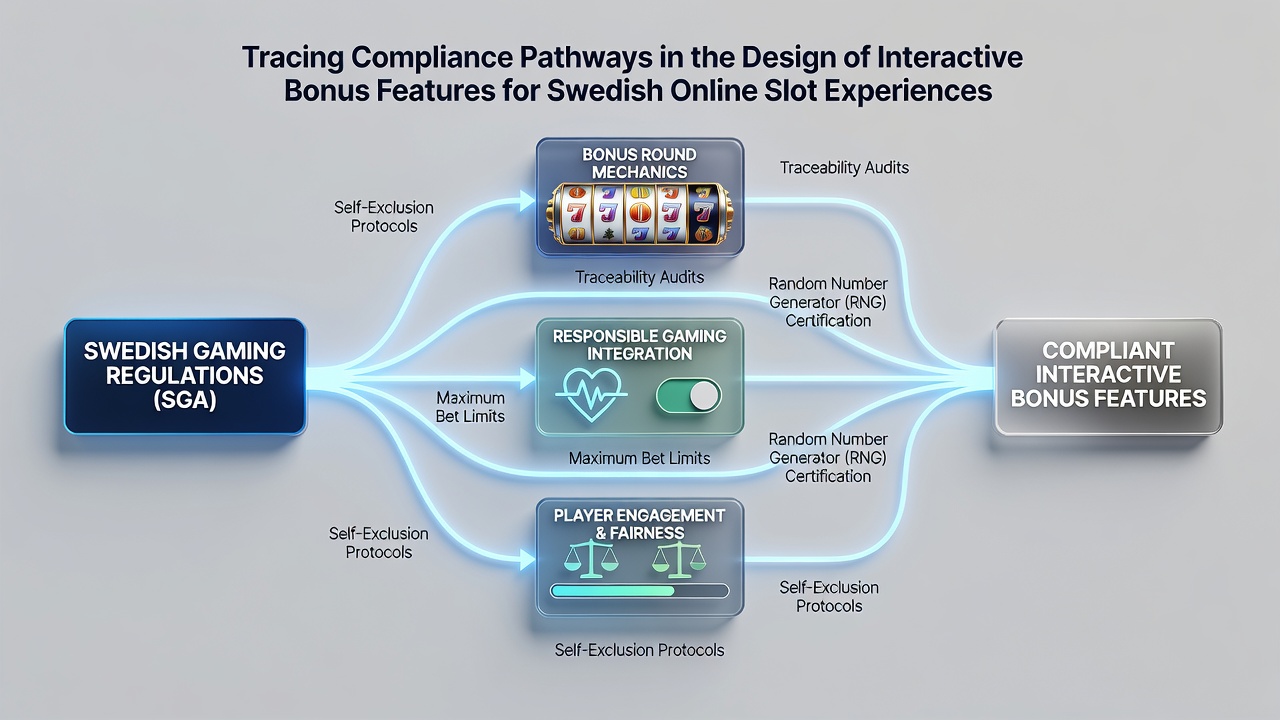
Studies indicate that touch-based interactions introduce unique considerations, such as accidental activations or gesture misreads, which compliance protocols address through confirmation prompts and undo options. Figures from industry reports reveal that operators who embed these safeguards early in the prototyping phase reduce revision cycles by measurable margins when submitting games for approval.
What's interesting is how bonus pathways connect to broader player tracking systems required under Swedish rules. Interactive features must log every choice a player makes during a bonus sequence, creating audit trails that authorities can review for patterns suggesting excessive play or system irregularities.
November 2026 Updates and Their Impact on Feature Development
As of November 2026, updated guidance from licensing bodies emphasizes enhanced testing for mobile-specific variables including network latency and battery optimization during extended bonus sequences. Teams now incorporate simulated 5G and Wi-Fi handoff scenarios into their compliance testing suites to verify that interactive elements remain stable across fluctuating connection qualities common on smartphones.
One study revealed that slots incorporating geolocation verification within bonus mechanics help satisfy location-based licensing conditions without disrupting gameplay flow. These additions require precise mapping of compliance pathways so that location checks trigger at appropriate moments rather than interrupting player momentum mid-feature.
Practical Pathways Through Testing and Documentation
Compliance pathways typically begin with internal risk assessments that catalog every interactive component against a matrix of regulatory requirements. Experts have observed that successful teams maintain living documents linking each design decision to specific clauses in licensing conditions, allowing quick adjustments when guidelines shift.
External verification often involves third-party labs that simulate thousands of bonus activations on representative smartphone hardware. Data shows this step catches discrepancies in visual rendering or payout calculation that might otherwise surface only after public release, at which point remediation becomes more complex.
Those who've examined successful submissions note that clear visual hierarchies in bonus interfaces help meet transparency mandates. Players receive immediate on-screen explanations of how choices affect outcomes, satisfying requirements for informed participation while maintaining the engaging pace expected in mobile slots.
Conclusion
Tracing compliance pathways in interactive bonus design for Swedish smartphone slots demands systematic integration of regulatory knowledge throughout the development process. Observers continue to track how evolving technical standards and licensing expectations shape the tools and workflows used by design teams, ensuring features deliver both entertainment value and documented adherence to national rules.