20 Oct 2026
How Swedish Licensing Shapes Secure Payment Flows for Live Dealer Jackpot Sessions on Mobile Devices
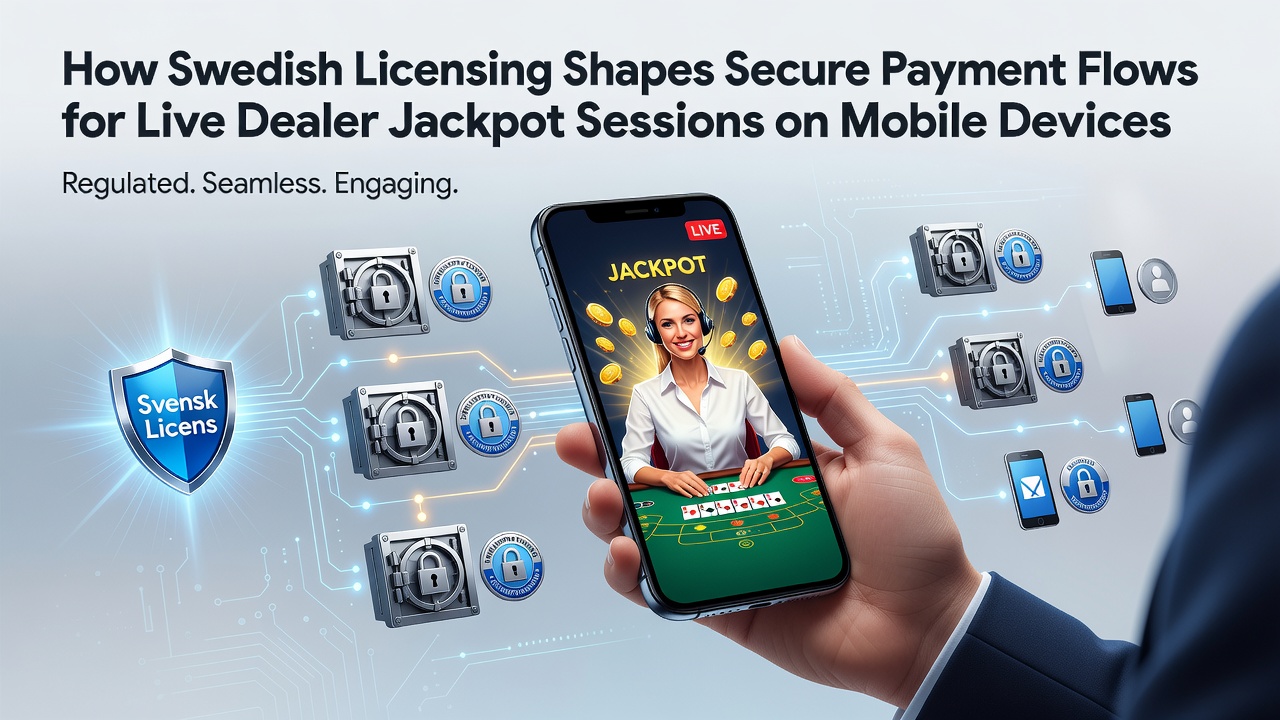
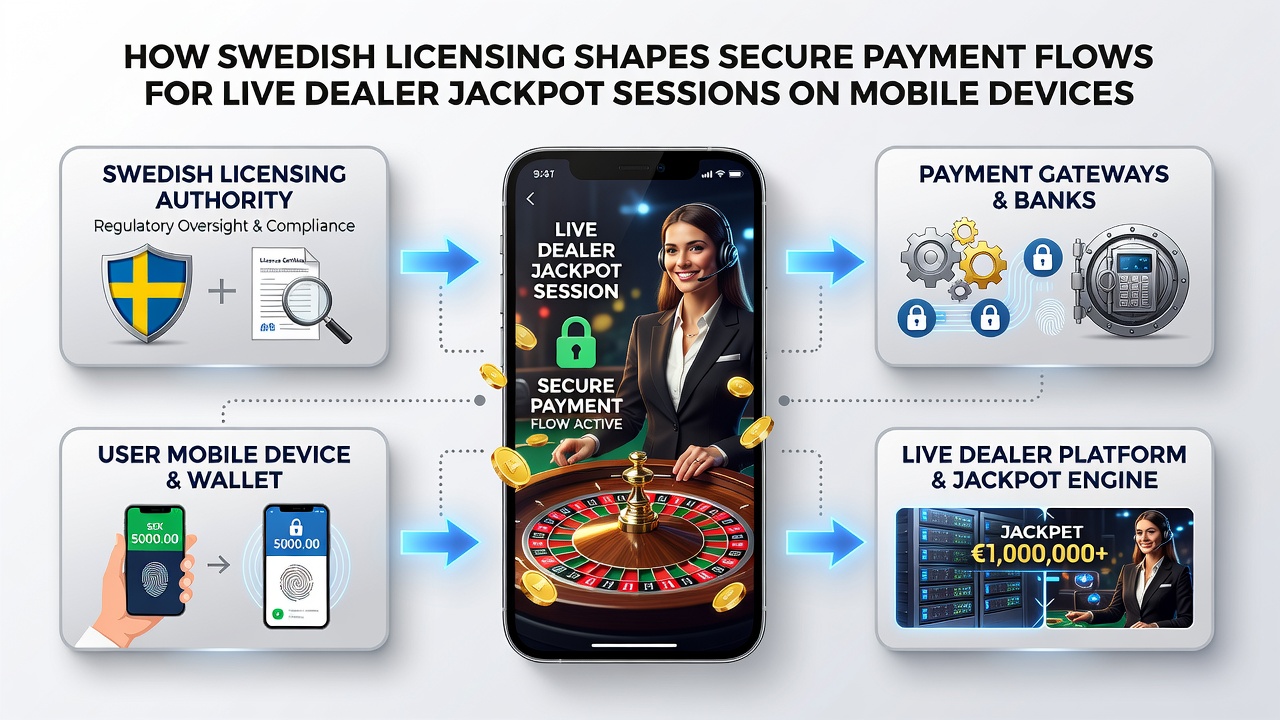
Swedish licensing through Spelinspektionen establishes strict requirements that operators must meet before they can offer live dealer jackpot sessions on mobile devices, and these rules directly influence how payments move from player accounts to game outcomes in real time. Licensed platforms integrate certified payment processors that handle instant deposits and withdrawals while maintaining encryption standards approved by the authority, which reduces exposure during high-stakes jackpot triggers.
Regulatory Framework and Payment Security Standards
Spelinspektionen mandates that every licensed operator use payment solutions capable of real-time verification and fraud detection, particularly when mobile users participate in live dealer sessions where jackpots accumulate across multiple tables. Data from regulatory filings shows that operators must route all transactions through providers that comply with both national banking protocols and gambling-specific rules, ensuring that funds reach player balances without intermediate delays that could affect jackpot eligibility windows. Observers note that this setup prevents mismatches between game state and account status during live rounds.
Operators must also implement two-factor authentication tied to mobile device biometrics or app-based tokens, and these measures apply every time a player enters a jackpot-eligible live dealer session. Research from European regulatory bodies indicates that such layered verification lowers unauthorized access incidents by measurable margins across markets with similar licensing structures.
Mobile-Specific Payment Integration for Live Jackpots
Live dealer platforms under Swedish licenses adapt their mobile interfaces so that jackpot contributions register immediately after each bet settles, and payment flows support this through APIs that connect the game server directly to the player wallet. When a jackpot hits during a mobile session, the system triggers an automated payout sequence that complies with licensing rules on timely settlement, typically within minutes rather than hours. Those who monitor industry compliance reports highlight that mobile-optimized flows reduce friction compared with desktop-only setups because they incorporate device-native security features such as secure enclave storage for transaction tokens.
AML and KYC Controls in Real-Time Transactions
Swedish rules require continuous monitoring of payment patterns during live dealer play, which means operators must flag unusual jackpot win sequences or rapid deposit-withdrawal cycles on mobile devices. Automated systems cross-reference transaction data against player history before releasing large jackpot amounts, and this process runs in the background without interrupting the live session. Figures from compliance audits reveal that these checks have become more sophisticated since the licensing system expanded its mobile focus, allowing operators to maintain session continuity while meeting anti-money laundering obligations.
Payment providers approved for Swedish-licensed mobile gambling often include local instant bank transfer services that complete verification in under ten seconds, and these services integrate directly with the jackpot engine so that eligibility checks occur without additional user input. When a player on a smartphone hits a progressive jackpot, the licensed operator's backend confirms the win against the certified random number generator and simultaneously authorizes the payout through the same secure channel used for the original deposit.
October 2026 Updates and Their Impact on Mobile Flows
Regulatory updates scheduled for October 2026 introduce enhanced requirements for mobile payment logging, requiring operators to retain detailed records of every jackpot-related transaction for at least five years. These changes build on existing licensing conditions by demanding that payment gateways provide immutable audit trails accessible to Spelinspektionen inspectors through secure portals. Licensed operators have already begun testing systems that embed timestamped transaction hashes into mobile app sessions, ensuring that live dealer jackpot wins can be reconstructed even if network conditions fluctuate.
Industry reports from research institutions such as those affiliated with Spelinspektionen document how these forthcoming standards encourage wider adoption of tokenized payment methods that keep card details off operator servers entirely. The result is a payment flow where mobile users experience seamless jackpot participation while the underlying licensing framework maintains oversight at every step.
Case Examples from Licensed Operators
One operator that received its Swedish license in 2023 implemented a mobile-first jackpot system in which every live dealer bet updates both the game state and the payment ledger simultaneously through a single encrypted channel. Compliance documentation shows that this integration eliminated previous delays that occurred when separate systems handled gameplay and fund movement. Another licensed platform introduced geofencing tied to payment authorization so that jackpot sessions remain accessible only when the device location aligns with approved jurisdictions, adding another layer that satisfies licensing conditions without requiring extra user steps.
Those monitoring technical implementations note that Swedish licensing encourages the use of open banking APIs for withdrawals, which allows jackpot winnings to appear in player bank accounts faster than traditional card processing routes. This approach aligns with the authority's emphasis on player fund protection and has become standard across mobile applications offered by multiple license holders.
Conclusion
Swedish licensing continues to define the technical boundaries within which secure payment flows operate for live dealer jackpot sessions on mobile devices, and the October 2026 enhancements will further tighten record-keeping and verification protocols. Operators that maintain active licenses demonstrate consistent use of certified gateways, real-time monitoring, and device-native security features that keep transactions aligned with regulatory expectations. External analyses from sources such as the European Gaming and Betting Association confirm that these structured payment environments support both operational efficiency and regulatory compliance across the sector.